L'upcycling involves collecting materials (and sometimes objects) destined to be thrown away, and recycling them by transforming them into objects other than their original use. This limits the production of new raw materials - and the environmental impact of all manufacturing - by giving them a new life.
This virtuous approach is often found in a circular business model.
It can be integrated into the product life cycle either at the start of manufacturing, by opting to source and transform existing raw materials, or at the end of the life cycle, by seeking alternatives to destruction.

Any examples?
1. Textiles
As we all know, the textile industry is one of the most polluting. But the lines are moving. A growing number of players are taking action at various levels. One of the main thrusts is to collect used clothing and then recycle the fabric. This is a complex exercise, since the composition of fabrics makes them difficult to upcycle. But new concepts are emerging. For example Fab.brik (already seen on Zestissime!). This start-up creates textile bricks with insulating properties, which can be used in a wide variety of ways: space planning, furniture, objects, collaborations.
2. Aluminium
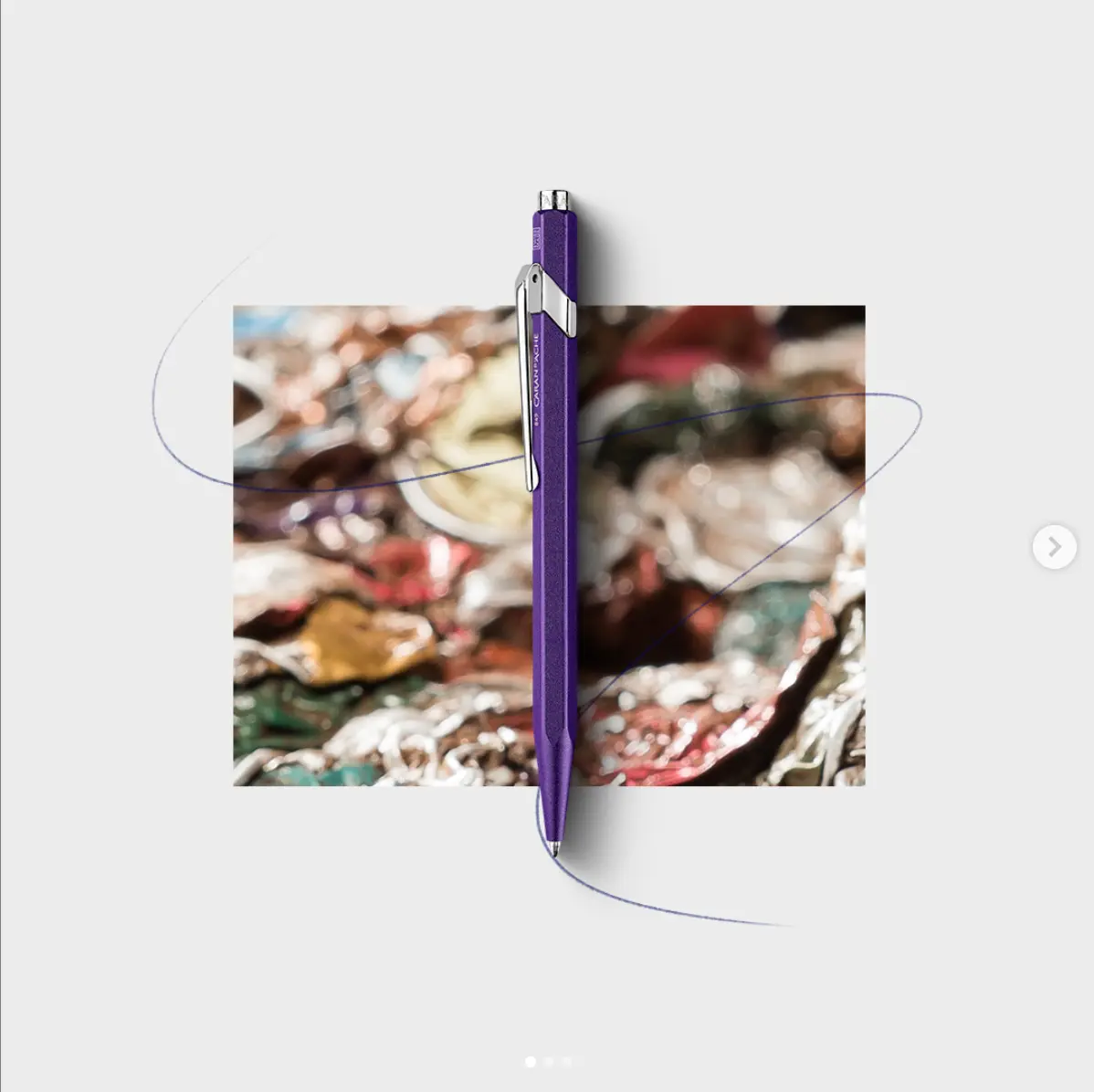
You've certainly seen the collection of the iconic ballpoint pen Caran d'Ache in partnership with NESPRESSO. A limited edition made from the recycled aluminum of the famous capsules. In this case, the two brands have collaborated to create a more environmentally-friendly product. One to add value to recycled waste, the other by using it as a raw material. Sometimes, and increasingly, upcycling involves a partnership between two companies to complete the value chain and draw on each other's expertise.
READ MORE: Review, Caran d'Ache is the anti-obsolescence programmed, 10.01.2020
3. Luxury
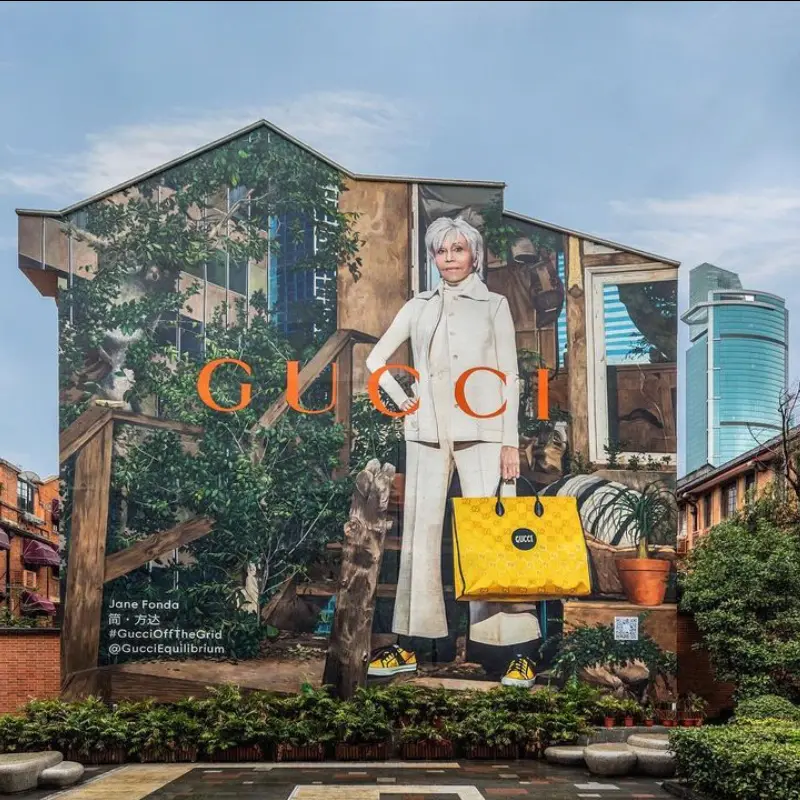
The ban on the destruction of unsold non-food products and pressure from a section of their clientele has prompted the luxury world to rethink its approach. Whether it's a capsule collection created from existing, unused materials (also known as "deadstock fabric"), the ennoblement of past collections or the use of second-hand raw materials, all the major fashion houses seem keen to establish themselves in this territory.
READ MORE: Le Monde, Le Luxe se recyle, 31.08.2020
WHY THE GLOSSARY?
Knowing an ecosystem often makes it easier to understand. The Zestissime Glossary aims to familiarize you with certain concepts and terminology specific to sustainable development.